
Grace and the Extraordinary Grace of Divine Mercy
- A Brief Introduction to Grace: Graces and Indulgences
In Catholic theology, “grace” is a central concept that refers to God’s free and undeserved gift of His life, love, and assistance to humanity, enabling us to participate in His divine nature and achieve salvation. Grace is fundamentally God’s self-communication to us, a supernatural gift that elevates human nature beyond its natural capacities.
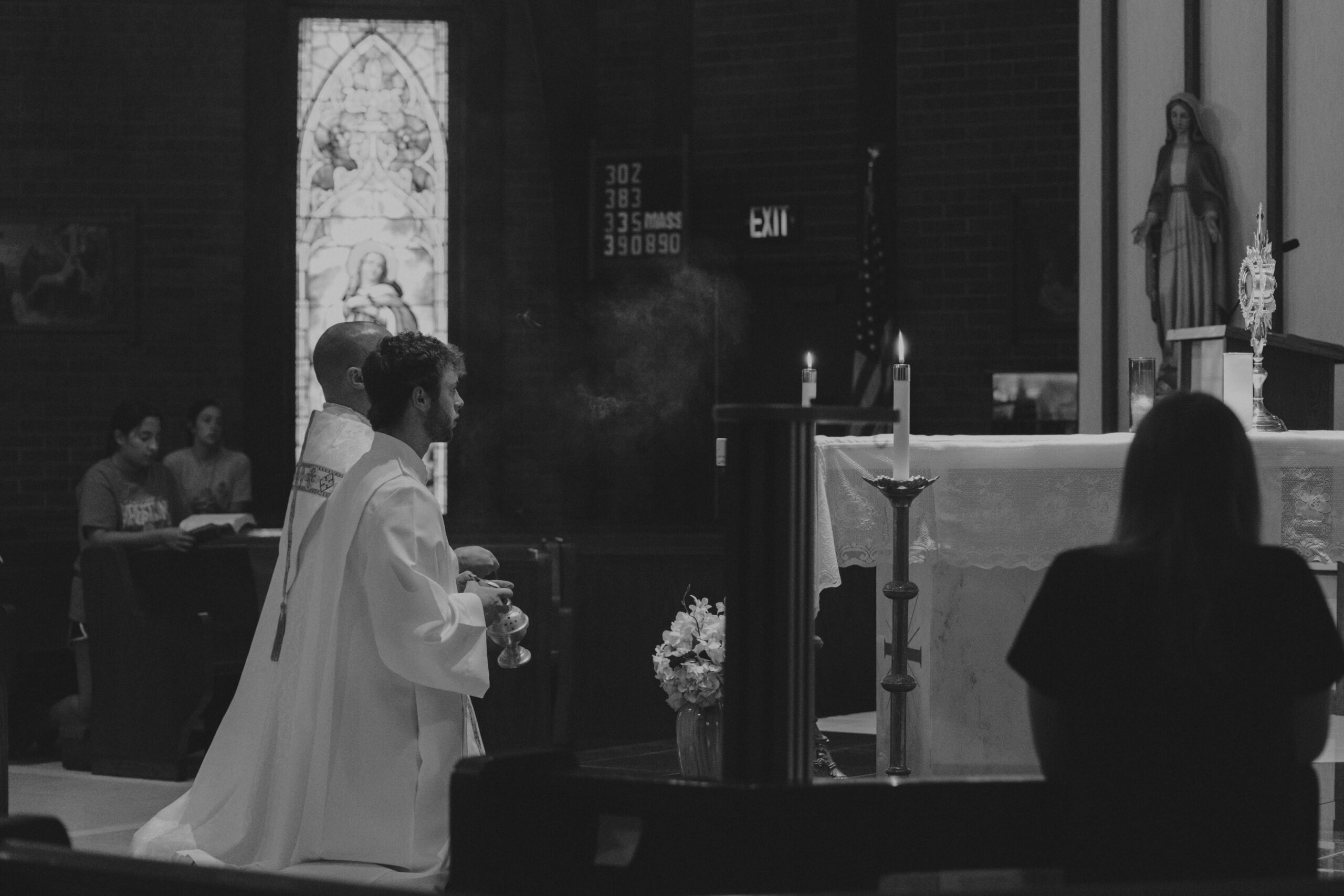
Types of Grace
Catholic theology categorizes grace into several types, each with a distinct role.
- Sanctifying (or Habitual) Grace –This is the permanent, indwelling presence of God’s life in the soul, making us holy and “partakers of the divine nature” (2 Peter 1:4). It’s the state of being in friendship with God, free from mortal sin. Sanctifying grace justifies us (makes us righteous before God) and is necessary for salvation. It’s infused at Baptism and in certain sacraments like Confession it is restored if lost through mortal sin.
- Actual Grace –These are temporary, specific interventions of God’s help to enlighten the mind or strengthen the will for a particular action or moment. Unlike sanctifying grace, it’s not a permanent state but a transient aid. Actual grace prompts us to do good, avoid evil, or prepare for sanctifying grace (e.g., conversion). It’s often described as God’s nudge or inspiration. Example: A sudden insight to forgive someone or the strength to resist temptation during a difficult moment.
- Sacramental Grace – This is a specific form of sanctifying grace tied to each of the seven sacraments, conferring unique helps for the state of life or task associated with that sacrament. It equips the recipient to live out the sacrament’s purpose (e.g., fortitude in Confirmation, unity, fidelity and mutual satisfaction in Marriage).
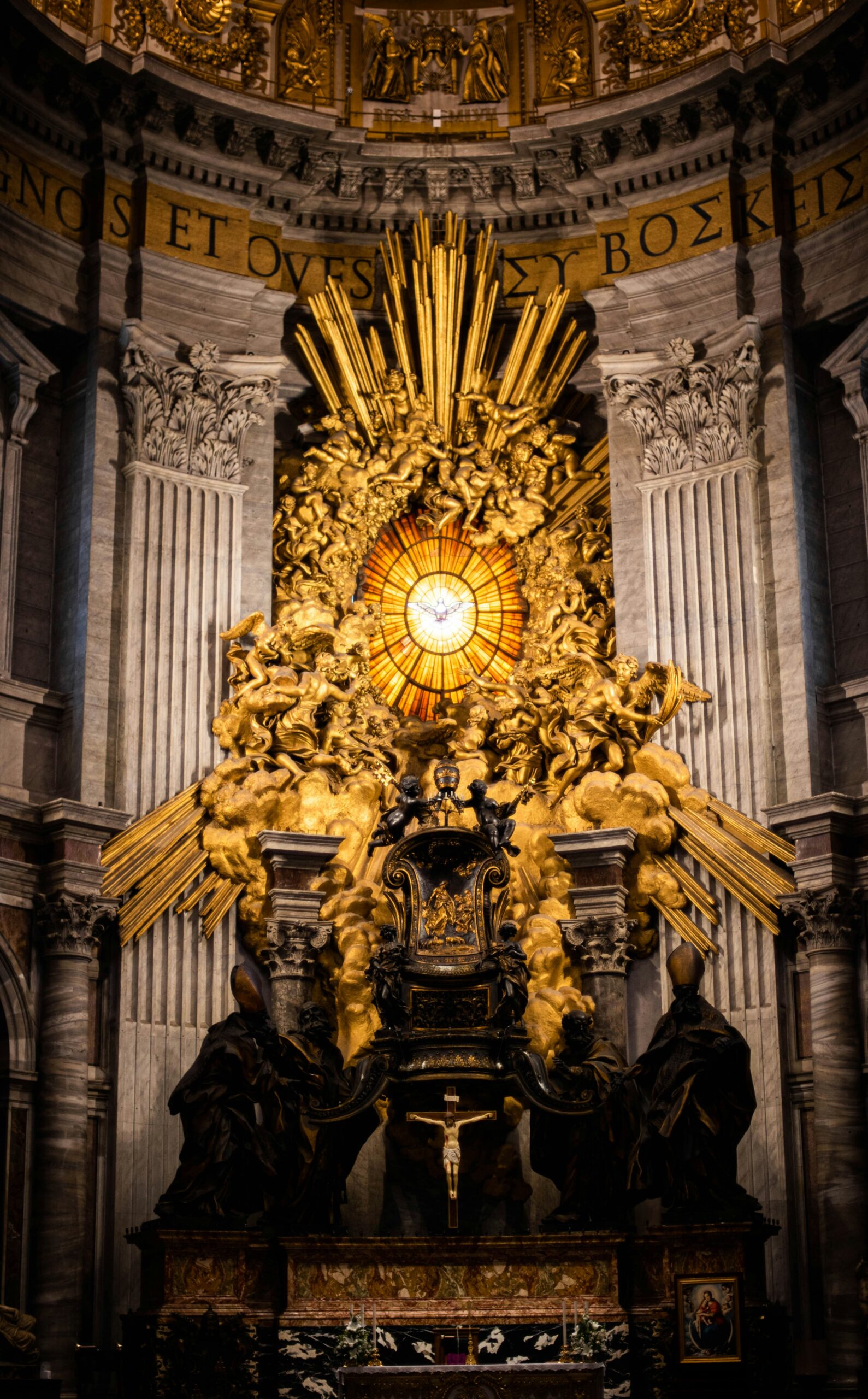
- Special Graces (Charisms) – These are extraordinary gifts of the Holy Spirit given for the good of the Church or others, not necessarily for the recipient’s personal sanctification. They serve the community, often in miraculous or prophetic ways (e.g., healing, tongues, wisdom).St. Paul lists charisms in 1 Corinthians 12:7-11, like the gift of miracles or discernment of spirits.
- Grace of State – A form of actual grace given to individuals to fulfill the duties of their vocation or role (e.g., parent, priest, ruler). It supports the responsibilities tied to one’s calling.
Difference Between “Grace” from God and “graces” obtained from the Church
Whereas “Grace” (singular) refers to the overarching, supernatural gift of God’s life and favor, whether sanctifying, actual, or otherwise. originating directly from God’s will and mercy, “Graces” (plural)refers to specific instances or applications of grace, often mediated through the Church’s sacraments, prayers, devotions, or indulgences. These are particular helps or benefits flowing from God’s grace, tailored to a moment or need. They’re often tied to human actions (e.g., participating in a rite) and can include both sanctifying grace and additional actual graces or remissions of punishment.
The “graces” of a plenary indulgence or the Divine Mercy Sunday promise are specific bestowals of God’s favor, building on the foundation of grace. The sanctifying “grace” received by the penitent, is a fundamental state of being, not a specific reward for an act. It’s not “earned” but freely conferred by God, though humans must cooperate with it (e.g., through faith and good works, including by voluntary participation in a rite or sacrament).
Losing and Obtaining Graces
Grace, in general, is obtained through modes of God’s gratuitous gift. If grace is lost whenever we sin (from German word for sin as separation, sünde, as with the English, ‘sunder’), sanctifying grace, once received in Baptism, then lost through sin is restored through, for example, Confession, and by partaking of the Eucharist. Actual graces, which are temporary supernatural interventions by God, are necessary for performing salutary acts. These graces can only be obtained through prayer and the sacraments.
Indulgences: Remission of Temporal Punishment
If the guilt of sin and the supernatural or eternal punishment due to mortal sin are only removed in the Sacrament of Penance aka Confession (or Reconciliation), nevertheless, the temporal punishment due to sin remains. This means that though the sin itself has been forgiven through the Confession, there remains a “temporal punishment” or worldly consequences for those sins that justice demands to be addressed. This can be rectified in this life through acts of penance or in the next, in Purgatory.
The Church, through the ‘power of the keys’ granted to her head, St Peter, by Christ, draws on the “treasury of the merits of Christ and the saints” to offer indulgences, for the remission before God of the temporal punishment due to sins whose guilt has already been forgiven. The primary goal of indulgences is to encourage acts of piety, penance, and charity, leading to growth in faith and the common good; indulgences are not a “discount”, nor are they a way to excuse sin or avoid repentance. Rather, they are an aid to a “prompt, generous, and radical fulfillment” of repentance.
Plenary vs. Partial Indulgences
Indulgences come in two chief types. The Church offers partial indulgences, which wipes away only a portion of the temporal punishment due to sin. She also offers ‘plenary’ indulgences, which remits all temporal punishment due to sin. As such, if a person were to die immediately after receiving a plenary indulgence, they would, in theory, go straight to Heaven, without needing further penance or to undergo purification in Purgatory. The result of a plenary indulgence is indeed a “complete pardon” in the sense that it restores the soul to a state of purity similar to that after Baptism.
Obtaining Indulgences
While the Catholic liturgical calendar offers numerous annual opportunities for plenary indulgences—each capable of remitting all temporal punishment due to sin—none fully replicate the “extraordinary grace” of Divine Mercy Sunday in terms of a specific, annual divine promise of complete forgiveness and punishment remission tied to simple sacramental acts (confession and Communion) without the stringent requirement of detachment from all sin. Most of these graces are:
- Church-Granted: Plenary indulgences stem from the Church’s authority to bind and loose (Matthew 16:19), not a direct revelation like St. Faustina’s.
- Condition-Heavy: They require detachment from all sin, a condition not explicitly demanded by the Divine Mercy promise, which focuses on trust and sacramental participation.
- Less Singular: They’re part of a broader system of indulgences rather than a standout, divinely instituted “extraordinary” event.
- 2. What is defined as “Extraordinary Grace” in the Catholic Church?
Baptism and Charisms
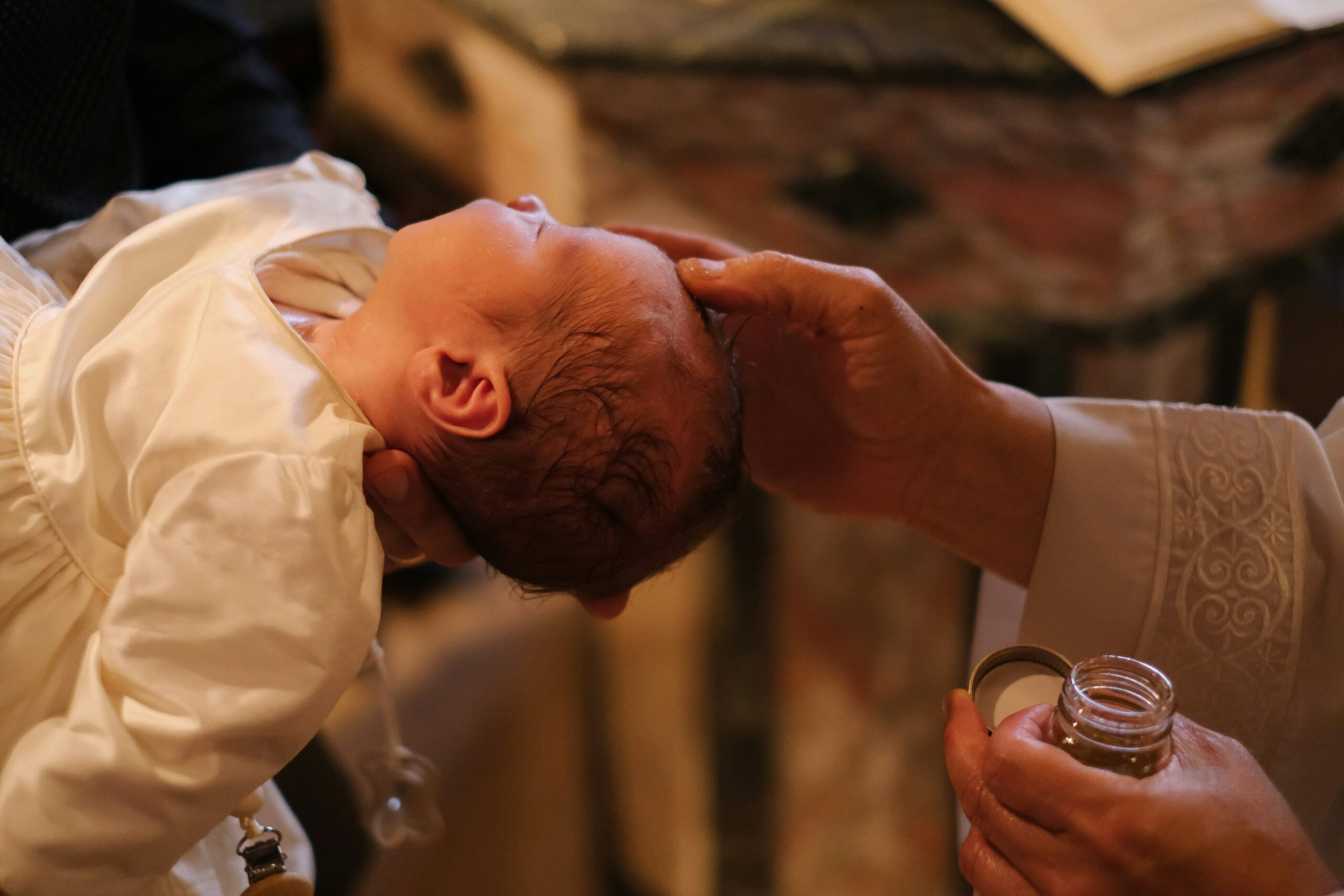
While the term “extraordinary grace/s” isn’t explicitly defined in the Catechism of the Catholic Church, the concept as it relates to Divine Mercy Sunday (discussed below) must be distinguished from its ordinary use related to two others ‘extraordinary graces’, Baptism and individual charisms. While not tied to a specific day, the sacrament of Baptism itself provides a complete remission of sins and punishment, an extraordinary grace unparalleled in the Church. This is a one-time event per individual, not a recurring liturgical opportunity like Divine Mercy Sunday, and not an extraordinary grace offered to Catholics as such, but to those seeking to enter the Catholic Church.
As already mentioned above, charisms are special graces or gifts of the Holy Spirit given to individuals for the good of the Church. These charisms can oftentimes be extraordinary in the sense of ‘out of the ordinary’ of human behaviour, such as the gift of miracles or tongues. The Catholic Encyclopedia notes that extraordinary graces of union with God are often accompanied by heavy trials, both being marks of God’s friendship. These are, however, free and essentially arbitrary gifts of God lacking any invitation to participate in them.
The Extraordinary Grace of Divine Mercy
In the context of Divine Mercy, “Extraordinary Grace” refers to:
a special promise of divine favour offered directly by Jesus Christ to St Faustina, revealed through private revelations, which goes beyond the typical effects of sacramental grace or indulgences granted or mediated by the Church.
Specifically, this grace involves the complete forgiveness of sins and the remission of all temporal punishment due to sin—akin to the state of purity received at baptism. This is distinct from a plenary indulgence, though the two are often conflated due to their similar outcomes. It is a baptismal-like renewal with relatively accessible conditions.
Divine Mercy Sunday
The most prominent example of this “Extraordinary Grace” is associated with Divine Mercy Sunday, the Second Sunday of Easter. According to the revelations of St. Faustina Kowalska, Jesus promised that souls who fulfill specific conditions on this day would receive “complete forgiveness of sins and punishment,” effectively renewing their baptismal grace.
Why is Divine Mercy “extraordinary”?
This promise is considered “extraordinary” because it is a direct divine offer, not merely a Church-granted indulgence, and it does not explicitly require the same stringent conditions (like complete detachment from all sin) that a plenary indulgence demands. Instead, it emphasizes trust in God’s mercy and the worthy reception of the sacraments.
While the Church recognizes this promise and has attached a plenary indulgence to Divine Mercy Sunday as a complementary act formalizing the divine promise, the “Extraordinary Grace” refers to, and is rooted in Christ’s words to St. Faustina rather than, as with other plenary indulgences, ecclesiastical authority alone. It’s a unique outpouring of mercy, described as an “ocean of graces,” intended to provide a profound spiritual reset for the penitent.
- 3. How Does One Obtain It?
To obtain the “Extraordinary Grace” promised for Divine Mercy Sunday, the conditions are straightforward, based on St. Faustina’s diary (entries 300, 699, and 1109). These are:
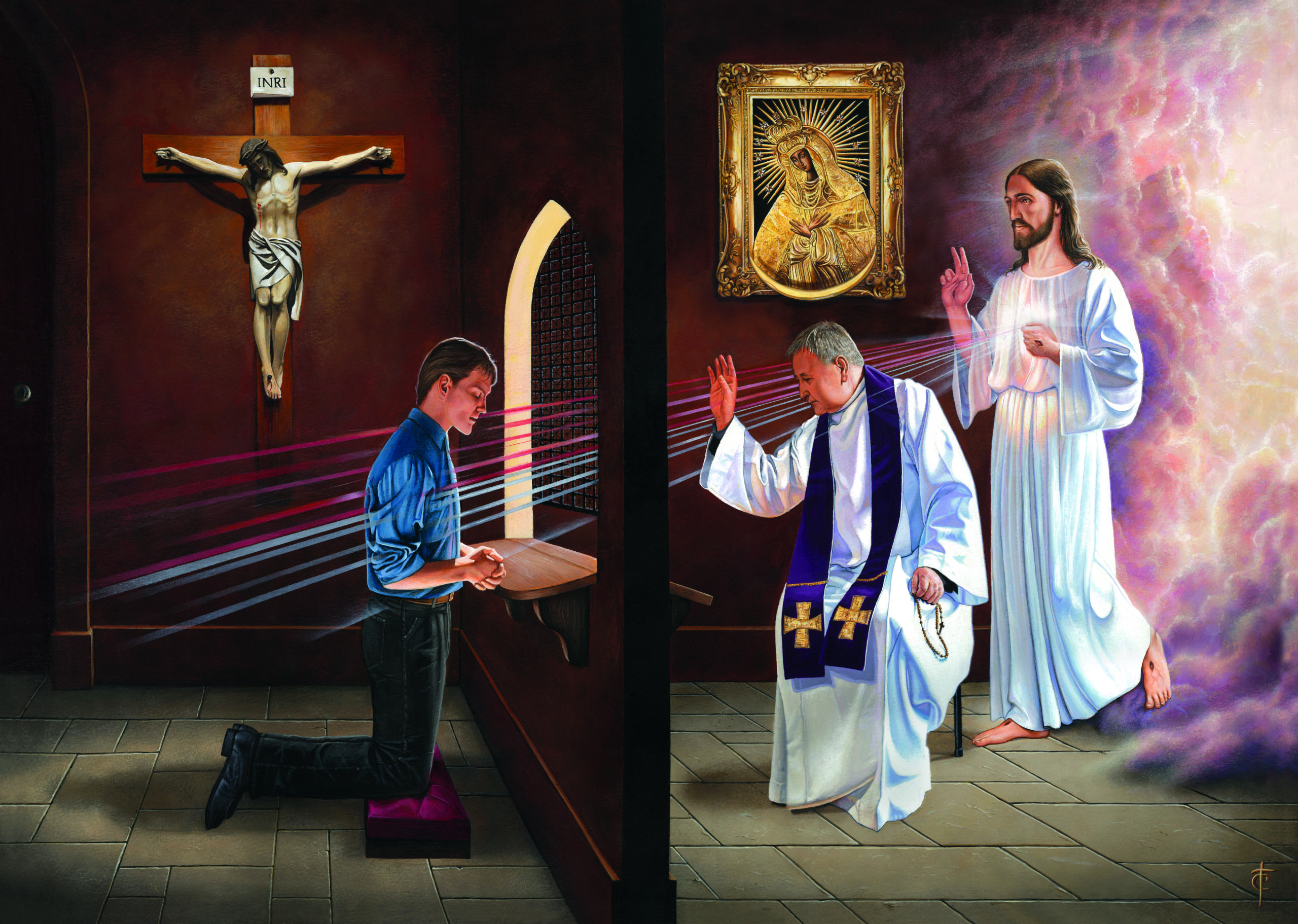
- Sacramental Confession: The penitent must go to confession, ideally beforehand to be in a state of grace. The confession does not need to occur on Divine Mercy Sunday itself; it can be within a reasonable time frame (typically understood as about 20 days before or after, per Church norms for indulgences, though the divine promise focuses on ‘being in grace’).
- Worthy Reception of Holy Communion: On Divine Mercy Sunday (or its vigil Mass on Saturday evening), the penitent must receive the Eucharist in a state of grace, approaching it with trust in God’s mercy.
- Trust in Divine Mercy: A key spiritual disposition is required—trusting in Jesus’ merciful love. This is not a ritual act but an interior attitude that accompanies the sacramental actions.(c. The Good Thief)
- Acts of Mercy: Jesus also encouraged acts of mercy (e.g., helping the poor or forgiving others) as part of the devotion, though this is not strictly a condition for the grace itself but a way to live out its spirit (c. Parable of the Wicked Servant).
‘Detachment from sin’ not demanded -Unlike a plenary indulgence, this grace does not explicitly require complete detachment from all sin (even venial) or prayers for the Pope’s intentions, making it somewhat more accessible. The Church supports this by encouraging confession and Communion on or near the day, ensuring penitents are properly disposed to receive it. For those unable to attend Mass (e.g., the sick), a spiritual communion with trust in mercy, coupled with an intent to confess and receive the sacraments, when possible, may suffice, reflecting the mercy-centered nature of the promise.
- 4. How Many Opportunities for Obtaining This “Extraordinary Grace” Are Available Across the Liturgical Calendar?
Divine Mercy is unique in the calendar – The “Extraordinary Grace” of complete forgiveness of sins and punishment is explicitly tied to Divine Mercy Sunday, which occurs once annually on the Second Sunday of Easter (the Sunday following Easter Sunday). This makes it a singular opportunity within the liturgical calendar directly associated with this specific promise from Jesus to St. Faustina.
Other feast days for obtaining indulgences– Despite plenary indulgences under certain conditions being offered on other feast days, there are no other days in the liturgical calendar where private revelations or Church teachings explicitly promise an identical “extraordinary grace” of complete forgiveness of sins and punishment through confession and Communion alone, in the same way as Divine Mercy Sunday. Plenary indulgences, which achieve a similar effect (remission of all temporal punishment), are available on numerous occasions (e.g., All Souls’ Day, certain Jubilee events, or specific devotions like the Stations of the Cross on Good Friday), but these require additional conditions (detachment from sin, prayers for the Pope) and are Church-granted, not direct divine promises like the Divine Mercy grace.
Jubilee Years: During a Holy Year (e.g., the 2025 Jubilee), the Church offers expanded opportunities for plenary indulgences, some of which might approximate this grace in effect (see below). However, these are not framed as “extraordinary graces” in the same revelatory sense and occur irregularly (typically every 25 years or by special papal decree).
Thus, strictly speaking, the “Extraordinary Grace” you describe—rooted in a specific divine promise tied to confession and Communion on a given day—is uniquely available once per year on Divine Mercy Sunday. Other graces or indulgences exist throughout the liturgical calendar, but they lack the same directly divine promises/assurances or the simplicity of conditions.
For example, while Holy Week and the Easter Octave offer multiple plenary indulgences, they do not carry the same explicit divine assurance of a “complete pardon” as Divine Mercy Sunday does in St. Faustina’s revelations.

In summary, penitents have one clear, annually recurring opportunity for this specific “Extraordinary Grace” on Divine Mercy Sunday, making it a focal point of mercy within the Catholic liturgical year.
- 5. Jubilee Year of 2025
A ‘year of favour’ established by God at Sinai – The Jubilee Year, as instituted in Leviticus 25, was a divinely mandated event occurring every 50 years in ancient Israel, whereby God instructed Moses to establish a “year of favour” (Leviticus 25:10).. It was a time of liberation – slaves were freed, debts forgiven, and land returned to its original owners – reflecting God’s mercy and justice.
The Church’s Holy Year’ – This Old Testament Jubilee was a foreshadowing of spiritual renewal and forgiveness, pointing toward the ultimate redemption in Christ. In Christian theology, this is fulfilled in Christ, who Himself proclaimed a “year of the Lord’s favor” (Luke 4:19, citing Isaiah 61:2). In the Catholic tradition, the Church adapted this concept into the ‘Holy Year,’ a time of ‘extraordinary’ plenary indulgences typically celebrated ‘extraordinarily’ every 25 years or by special papal decree, with the latest one beginning on December 24, 2024, and running through 2025.
Plenary Indulgences – During a Jubilee Year, the Church offers plenary indulgences in the form of full remission of temporal punishment due to sin, as a central spiritual benefit. For the 2025 Jubilee, titled “Pilgrims of Hope,” Pope Francis has emphasized mercy, reconciliation, and a “new beginning” for the faithful. To obtain this plenary indulgence, penitents must:
- Make a pilgrimage to a designated holy site (e.g., St. Peter’s Basilica or other major churches).
- Go to confession and receive Communion.
- Pray for the intentions of the Pope.
- Be fully detached from all sin, even venial.
Is the Jubilee an “Extraordinary Grace” and if so, is it equivalent to Divine Mercy Sunday?
There are strong parallels between the Jubilee plenary indulgence and the Divine Mercy Sunday grace, but also key distinctions.
Similarities – The similarities are firstly, that, in effect, both offer a “complete pardon”, i.e., forgiveness of sins (through confession) and full remission of temporal punishment. The outcome is a soul restored to a baptismal-like state of grace, which is ready to go to Heaven. Secondly, since the Jubilee has roots in God’s command to Moses reflecting a divine initiative of mercy, this ‘divine origin’ is like the Divine Mercy Sunday promise, which stems from Christ’s revelation to St. Faustina. Both can be seen as expressions of God’s extraordinary mercy breaking into human history. Finally, sacramentally, both require confession and Communion as foundational acts, tying them to the Church’s sacramental life.
Differences – The differences, however, are also significant. As has already been mentioned, the Divine Mercy Sunday grace is a direct, explicit, and substantive promise from Jesus in a private revelation to St. Faustina, emphasizing an “ocean of graces” and a personal renewal, without the strict condition of detachment from all sin. It’s framed as a unique, divine gift beyond typical Church mechanisms, and although the Church has validated this grace, it is in a sense prior or even – with the obvious caveats –‘non-dependent’ upon Church formulations, instead coming directly from Christ. In contrast, the Jubilee indulgence, while rooted in the biblical Jubilee decreed by God to Moses, is in reality, nevertheless Church-mediated and formulated. To adequately interpret and make manifest the biblical decree according to contemporary circumstances, the grace was formalized and dispensed through papal authority, not directly from the words of God.
On the other hand, whereas the Divine Mercy Sunday occurs annually, making it a regular if not frequent opportunity for this grace (which may in its own way as well as in a literal sense be considered ‘extraordinary’), the Jubilee Year is rarer, typically every 25 years (e.g., 2000, 2025), and additional, specifically out-of-the-ordinary Jubilees can be called more frequently (e.g., the 2015-2016 Year of Mercy). Its infrequency enhances its “extraordinary” character, just as Divine Mercy Sunday’s uniqueness in the annual calendar enhances hers.
A final difference concerns the sacramental conditions attaching to each. Divine Mercy Sunday emphasizes trust in God’s mercy and sacramental participation, with a simplicity that doesn’t explicitly demand complete detachment from sin (though a state of grace is required).The Jubilee indulgence conditions are standardized ecclesiastical requirements for plenary indulgences, not a specific divine promise for a single day or year. Furthermore, it requires the additional hurdle found with all other plenary indulgences of full detachment from all sin, a condition notoriously difficult to achieve and verify, making it less accessible in practice than the Divine Mercy promise, tending therefore to vindicate the unique extraordinariness the grace of Divine Mercy Sunday.
- 6. Are there no other annual extraordinary graces apart from the Sunday of Divine Mercy?
We have already seen that “extraordinary graces” akin to the one promised on Divine Mercy Sunday are rare. Divine Mercy Sunday stands out due to its foundation in a direct promise from Jesus to St. Faustina, emphasizing a baptismal-like renewal with relatively accessible conditions (confession, Communion, and trust in mercy). Beyond this, the liturgical calendar does not feature many explicit equivalents with the same combination of annual recurrence, divine promise, and simplicity. However, there are opportunities tied to plenary indulgences or significant feasts that could be considered “extraordinary graces” in a broader sense, depending on how strictly we define the term.
Below, I’ll examine potential annual candidates, focusing on whether they offer a “complete pardon” (sins and punishment) through specific rites, as you’ve described, and occur every year:
Potential Annual Extraordinary Graces
Special Graces received at other Feasts: some examples
- The Feast of the Sacred Heart of Jesus
- When: Celebrated on the Friday 19 days after Pentecost (movable, typically in June).
- Grace: While not framed as a singular “complete pardon” promise like Divine Mercy Sunday, devotion to the Sacred Heart includes promises from Jesus to St. Margaret Mary Alacoque. One promise is that those who receive Communion on nine consecutive First Fridays with the intention of making reparation to the Sacred Heart will receive the grace of final perseverance and the sacraments at death. Additionally, the Church often attaches a plenary indulgence to this feast under the usual conditions (confession, Communion, prayer for the Pope’s intentions, and detachment from sin).
- Comparison: The plenary indulgence offers remission of all temporal punishment, similar to Divine Mercy Sunday, but it’s Church-granted and requires detachment from sin, not a direct divine promise of a one-day total renewal. The First Friday devotion is spread over months, not a single annual event, so it doesn’t fully match your criteria.
- All Souls’ Day (November 2)
- When: November 2 each year (extended to the octave, November 1-8, in some cases).
- Grace: The Church offers a plenary indulgence applicable to the souls in Purgatory for visiting a church or cemetery and praying for the dead, alongside confession, Communion, and prayers for the Pope’s intentions. From November 1-8, this indulgence can be gained daily under the usual conditions.
- Comparison: This provides full remission of temporal punishment (for the deceased, not directly for the penitent), and the penitent can gain a plenary indulgence for themselves too, achieving a “complete pardon” if properly disposed. It’s annual and tied to specific acts, but it’s a Church-mediated indulgence, not a unique divine promise, and the focus is on the dead rather than the penitent’s own renewal.
- The Solemnity of Christ the King
- When: Last Sunday of the liturgical year (late November).
- Grace: Instituted by Pope Pius XI in 1925, this feast includes a plenary indulgence for publicly reciting the Act of Consecration of the Human Race to the Sacred Heart, along with confession, Communion, and prayers for the Pope’s intentions. This indulgence remits all temporal punishment.
- Comparison: Like Divine Mercy Sunday, it’s annual and achieves a “complete pardon” through sacramental acts and devotion, but it lacks a specific divine revelation promising this grace uniquely on this day. It’s a Church-established opportunity rather than a direct promise from Christ.
- Holy Thursday (Maundy Thursday)
- When: Thursday of Holy Week, annually tied to Easter (movable).
- Grace: A plenary indulgence is granted for reciting the Tantum Ergo during the reposition of the Blessed Sacrament after the Mass of the Lord’s Supper, with the usual conditions (confession, Communion, prayer for the Pope, detachment from sin).
- Comparison: This offers full remission of punishment annually, tied to a specific rite, but it’s part of the broader Triduum indulgences and lacks the standalone divine promise of Divine Mercy Sunday. It’s extraordinary within the context of Holy Week but not uniquely highlighted as a singular grace.
- Good Friday
- When: Friday of Holy Week, annually tied to Easter (movable).
- Grace: A plenary indulgence is available for venerating the Cross during the Good Friday liturgy or praying the Stations of the Cross, with the usual conditions.
- Comparison: This achieves a “complete pardon” annually through specific acts, but it’s one of many indulgences in the liturgical year, not a distinct divine promise of extraordinary renewal like Divine Mercy Sunday.
- 7. Conclusion
The Church offers a great number and variety of graces throughout the calendar year. Amongst which are plenary indulgences, as part of Her extension of Our Lord’s singular mission of mercy : the forgiveness of sins and the caring for those who suffer. This year, 2025, being the Jubilee, offers plenary indulgences available that may qualify as an “extraordinary grace” in the broadest sense, that is, tracing back to a divine initiative in Scripture, its rarity, and its offer of a “complete pardon”, mirroring the spiritual renewal promised on Divine Mercy Sunday. However, it’s not an exact equivalent due to its indirect ecclesiastical mediation and stricter conditions, rather than being a direct divine promise like St. Faustina’s revelation, and a divine request of the annual event of Divine Mercy Sunday. Nevertheless, this periodic outpouring of mercy at Jubilee, occurring this year and thus available now – is an exceptional convergence of mercy given the rarity of Jubilees generally.
Thus, apart from Divine Mercy Sunday, there are no other annually recurring days in the liturgical calendar that explicitly offer an “extraordinary grace” of a direct divine promise of complete forgiveness of sins and punishment through confession and Communion on a specific day. Plenary indulgences on days like All Souls’ Day, Christ the King, or Holy Week feasts are available throughout the year, offering a “complete pardon,” but they lack the unique revelatory character and simplicity of Divine Mercy Sunday, and this is of particular advantage to the lukewarm, poorly catechised, novice, or fallen-away Catholic.
So, what are you waiting for – get yourself prepared for this extraordinary grace!
First Day:
Today bring to Me ALL MANKIND, ESPECIALLY ALL SINNERS, and immerse them in the ocean of My mercy. In this way you will console Me in the bitter grief into which the loss of souls plunges Me.
Most Merciful Jesus, whose very nature it is to have compassion on us and to forgive us, do not look upon our sins but upon our trust which we place in Your infinite goodness. Receive us all into the abode of Your Most Compassionate Heart, and never let us escape from It. We beg this of You by Your love which unites You to the Father and the Holy Spirit.
Eternal Father, turn Your merciful gaze upon all mankind and especially upon poor sinners, all enfolded in the Most Compassionate Heart of Jesus. For the sake of His sorrowful Passion show us Your mercy, that we may praise the omnipotence of Your mercy for ever and ever. Amen.
Second Day:
Today bring to Me THE SOULS OF PRIESTS AND RELIGIOUS, and immerse them in My unfathomable mercy. It was they who gave Me strength to endure My bitter Passion. Through them as through channels My mercy flows out upon mankind.
Most Merciful Jesus, from whom comes all that is good, increase Your grace in men and women consecrated to Your service,* that they may perform worthy works of mercy; and that all who see them may glorify the Father of Mercy who is in heaven.
Eternal Father, turn Your merciful gaze upon the company of chosen ones in Your vineyard—upon the souls of priests and religious; and endow them with the strength of Your blessing. For the love of the Heart of Your Son in which they are enfolded, impart to them Your power and light, that they may be able to guide others in the way of salvation and with one voice sing praise to Your boundless mercy for ages without end. Amen.
*In the original text, St. Faustina uses the pronoun “us” since she was offering this prayer as a consecrated religious sister. The wording adapted here is intended to make the prayer suitable for universal use.
Third Day:
Today bring to Me ALL DEVOUT AND FAITHFUL SOULS, and immerse them in the ocean of My mercy. These souls brought Me consolation on the Way of the Cross. They were that drop of consolation in the midst of an ocean of bitterness.
Most Merciful Jesus, from the treasury of Your mercy, You impart Your graces in great abundance to each and all. Receive us into the abode of Your Most Compassionate Heart and never let us escape from It. We beg this grace of You by that most wonderous love for the heavenly Father with which Your Heart burns so fiercely.
Eternal Father, turn Your merciful gaze upon faithful souls, as upon the inheritance of Your Son. For the sake of His sorrowful Passion, grant them Your blessing and surround them with Your constant protection. Thus may they never fail in love or lose the treasure of the holy faith, but rather, with all the hosts of Angels and Saints, may they glorify Your boundless mercy for endless ages. Amen.